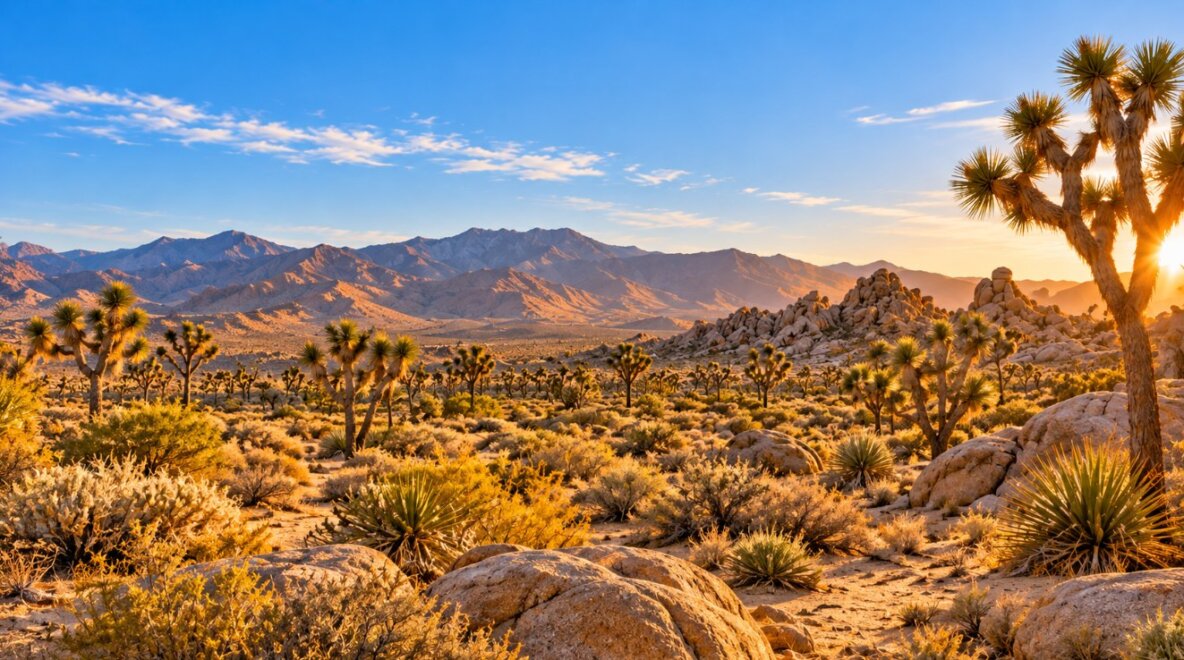
Yucca Valley and Joshua Tree are close neighbors in California’s High Desert, but homes that look similar online can offer very different day-to-day experiences. One might be minutes from groceries on a paved street; another might sit on several acres at the end of a dirt road.
If you’re deciding where to buy, look beyond the view and asking price. The right choice depends on how you’ll use the home, what services are available, and how much property maintenance you’re comfortable taking on.
Everyday Living: Convenience or a Quieter Setting?
Yucca Valley has more major shopping and everyday services along Twentynine Palms Highway, including grocery stores, restaurants, and retail. Buyers who commute, run frequent errands, or want conveniences nearby may find that appealing.
Joshua Tree has a smaller village center with independent businesses, galleries, and access to Joshua Tree National Park. Its distinctive desert setting attracts buyers seeking a particular atmosphere, whether as a primary residence or a second home.
Still, neither community is uniform. Both have established residential streets and more secluded properties. Before deciding, drive from a prospective home to the places you’ll actually use. A few extra miles can feel different when they’re part of your daily routine.
Compare the Property, Not Just the House
In both locations, buyers will find conventional single-family homes, older desert houses, custom residences, and larger parcels. A Joshua Tree cabin may have striking character; a Yucca Valley home may offer more conventional amenities. But there are exceptions everywhere.
Pay attention to the land itself. Is the lot usable? Are outbuildings permitted? Have renovations been approved? A large parcel doesn’t automatically allow another home, workshop, or vacation rental.
Older houses also deserve careful inspections, especially for roofing, insulation, heating and cooling, and past alterations. In desert real estate, what’s outside the walls can be as important as the floor plan.
Water, Septic, and Sewer: Ask Before You Offer
Utility arrangements can vary significantly from property to property.
Much of Yucca Valley receives water service from the Hi-Desert Water District, while the Joshua Basin Water District serves much of Joshua Tree. Confirm the provider, active meter, and service status for each address. If you’re considering vacant land, ask about connection availability and costs rather than assuming nearby utility lines mean you can connect.
Wastewater service matters too. Many High Desert homes use septic systems, which should be evaluated during due diligence. Parts of Yucca Valley have transitioned to public sewer service, and some properties may face connection requirements or assessments.
Ask whether the home uses septic or sewer, what records are available, and what future work or expenses may apply. These details can materially change your ownership budget.
Road Access Deserves a Second Look
That peaceful dirt road may be part of the appeal, but it deserves more than a quick drive during a showing.
Check whether access is public or private, whether any easements are documented, and who maintains the road. Consider how delivery vehicles or emergency responders would reach the house. Heavy rain can also affect unpaved routes.
A property can be beautiful and still be inconvenient for someone who needs dependable daily access.
Zoning and Rental Plans
Yucca Valley is an incorporated town; Joshua Tree is an unincorporated community governed by San Bernardino County. Their planning and permitting requirements are not interchangeable.
If you hope to add a guest house, build a workshop, renovate, or operate a short-term rental, confirm what is permitted on the specific parcel before purchasing. A previous owner’s use or a real estate listing is not proof that your plans will be approved.
Protected Joshua trees can also affect where certain improvements are possible. It’s easier to investigate these constraints before closing than after hiring a contractor.
Look at the Full Cost of Ownership
Beyond the mortgage and purchase price, your expenses may include property insurance, septic maintenance, road upkeep, utility work, and repairs to older structures. Larger lots can mean additional fencing, grading, or drainage responsibilities.
These costs aren’t reasons to avoid a rural property. They’re reasons to compare homes on a realistic, all-in basis.
Which Community Is Right for You?
Start with your priorities. If easy access to shopping and services matters most, begin your search in Yucca Valley. If being near the national park and Joshua Tree’s village atmosphere matters more, explore there first.
Then let the individual properties change your mind. The best fit may be a quiet Yucca Valley home or a centrally located Joshua Tree house that gives you the balance you want.
Compare High Desert Homes With Capitis Real Estate
If you’re considering buying in either community, Capitis Real Estate can help you explore your options and compare properties based on your needs.
Browse available High Desert properties or contact our Yucca Valley office to connect with a local agent and discuss your home search.